Marketing Automation to Power Up Your WordPress Website
My WordCamp Singapore 2019 talk at Microsoft Singapore: four marketing automation strategies for WordPress businesses, plus what it taught me six years later.
 Afshana Diya·
· 3 min read
Afshana Diya·
· 3 min read

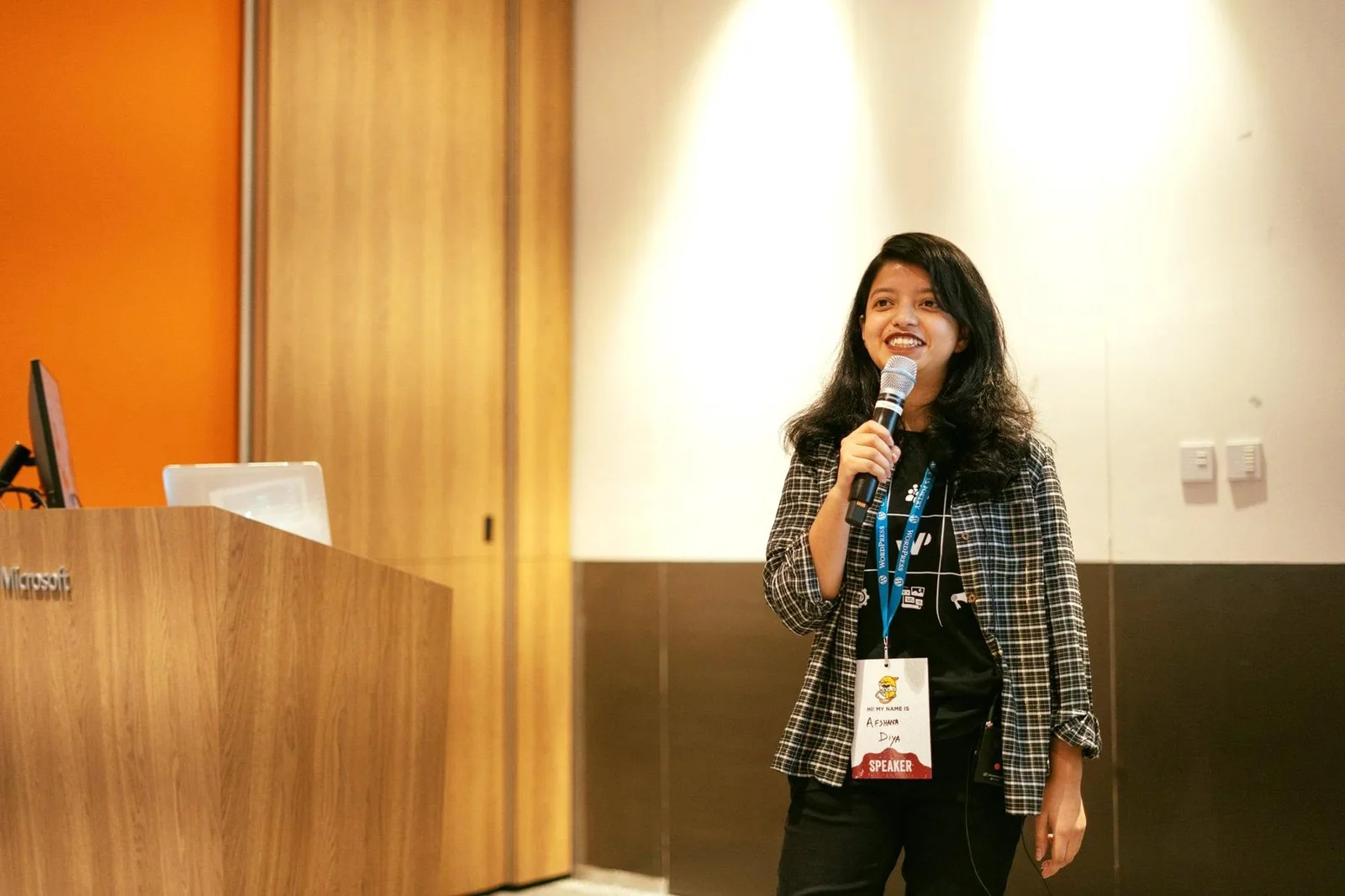
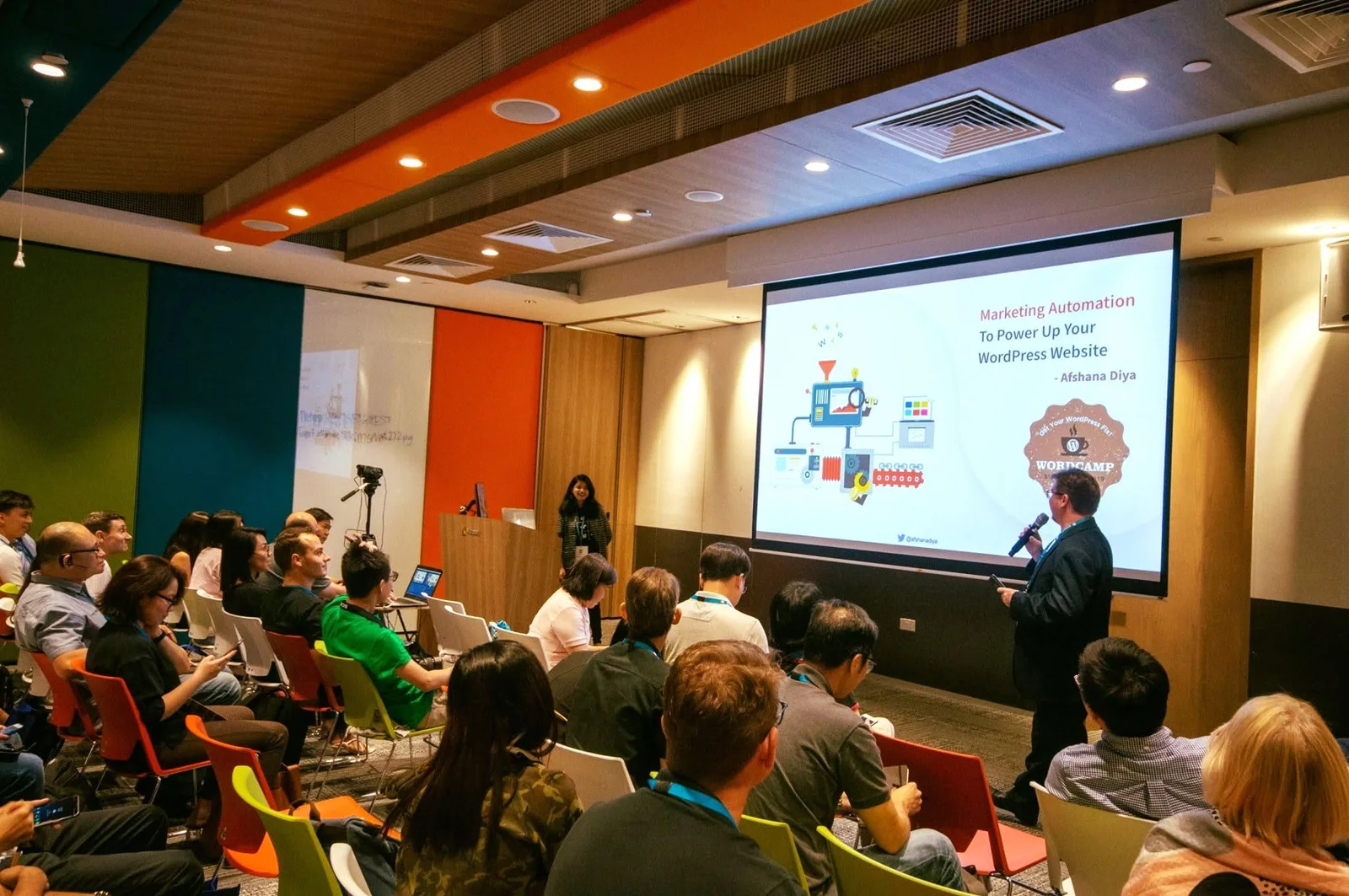
On August 16, 2019, I stood on stage at Microsoft Singapore with a microphone in my hand and a room full of people from all over the world in front of me. It was WordCamp Singapore 2019 and my first international talk.
I opened with a question. What if, after this session, you could save six hours a week and get far more return from your marketing budget? Heads nodded. That was the promise of marketing automation. Here is what I shared that day.
Who Marketing Automation Is For
The day before my talk, a friend asked me who really benefits from marketing automation. I think there are two kinds of people:
- Established businesses that already use some automation and want to make it work better.
- Bloggers, freelancers and small teams who wear many hats at once. They read about automation everywhere but worry it means handing their brand to bots.
Both have a place for it. In my first three years working with WordPress product companies, I tested hundreds of automation tools. Some saved us hours. Many didn’t move the needle at all. I grouped what worked into four strategies.
One honest warning first: nothing you learn from a talk or the internet works straight out of the box. You have to adapt it to your audience and your business.
1. Automate Your Ads Funnel
Most of us start with paid search. You run a Google Ads campaign on the right keywords, people land on your site and learn what you offer. But most visitors leave without buying.
Instead of rebuilding campaigns by hand, set rules once:
- Day 1: a search campaign brings new people to your website.
- Day 3: anyone who hasn’t bought moves into a retargeting campaign that shows a different message, focused on the exclusive benefits they get.
- Day 10: anyone still not converted sees a video campaign on social media, because video usually beats static ads.
Whenever someone buys, they drop out of the funnel automatically. Everyone else keeps meeting your brand at the next step, without you touching a thing. For the tools, I used Google Ads remarketing, Perfect Audience for retargeting and Facebook Ads Manager, including pre-roll video ads. Those ads feel irritating, yet they work remarkably well for small businesses.
2. Automate Your Social Media
When you publish something new, you probably post it on Facebook, then copy it to Twitter, then somewhere else. A social media scheduling tool lets you write once, plan ahead and publish to every platform from one place. That alone gives back hours every week.
3. Automate Your Email Marketing
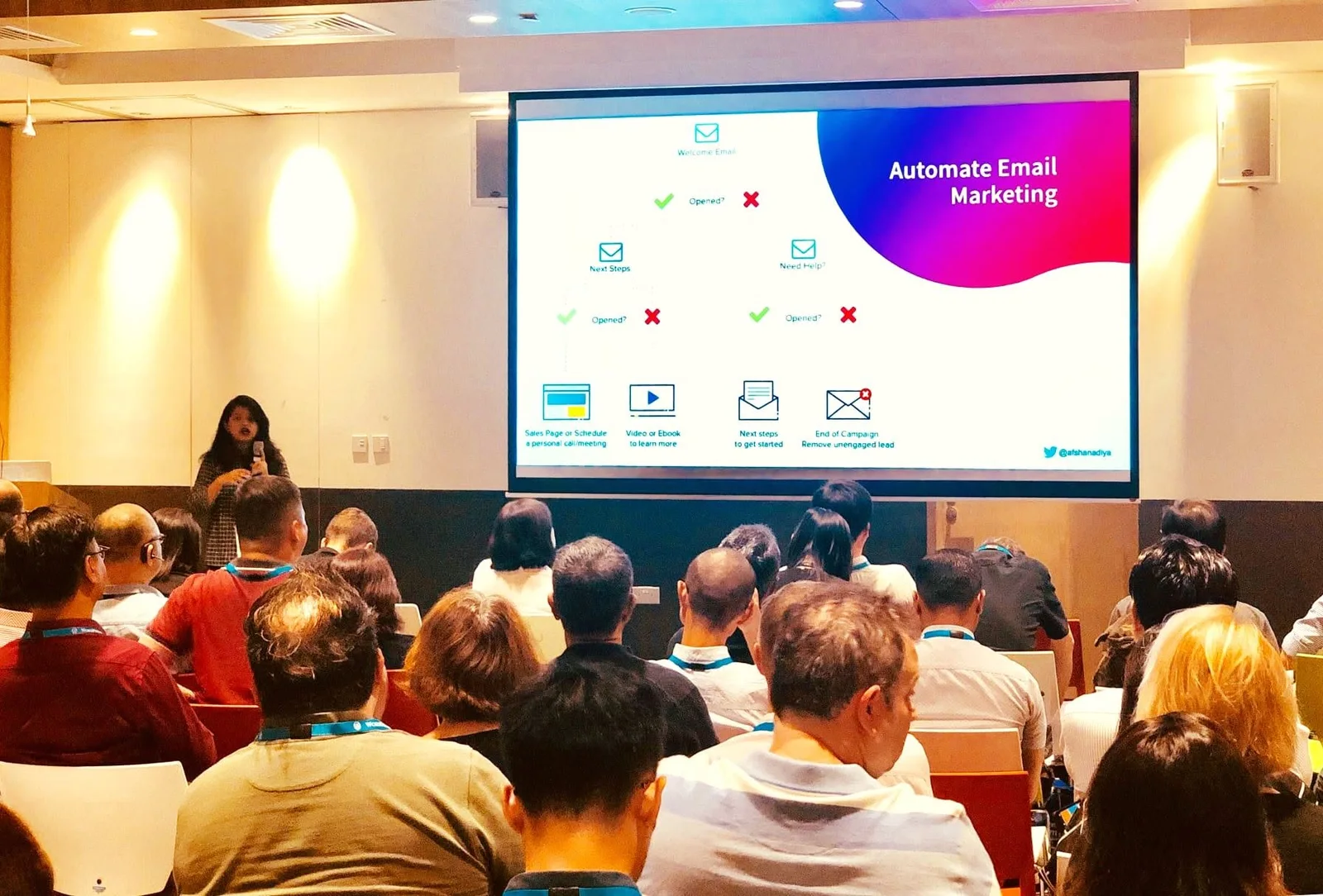
Email is still the most effective and most used form of marketing automation. Build an onboarding series that reacts to what people do:
- Start with a welcome email.
- If they open it, send the next steps. If they don’t, send a “Need help?” email instead.
- Branch again by opens: a sales page or a call booking for engaged people and a video or ebook for those who need more time.
- End the campaign by removing people who never engage, so your list stays healthy.
Tools like Mailchimp and Drip handle this kind of workflow well.
4. Automate Your Marketing Reports
At the end of every month or campaign, you need to know what worked. Building reports by hand eats time. Google Data Studio (now Looker Studio), DashThis and Funnel can pull your data together and deliver the report on a schedule, so you spend your time on decisions instead of spreadsheets.
Watch the Talk
Six Years Later
Looking back now, I remember how nervous I was. AI was nowhere close to what it is today. We were excited about marketing automation, social media tools, email workflows and small growth hacks.
What I remember most is what happened after the session. People from different countries came up to share the same struggles. Some thanked me for the practical tips. Others asked how to take their product or service to a global market. For weeks afterward, I kept getting messages with real problems. I tried to help from wherever I could. Those conversations taught me the real value of community and gave me a confidence no stage could.
Growth never happens in your comfort zone. You have to say yes even when you’re scared.
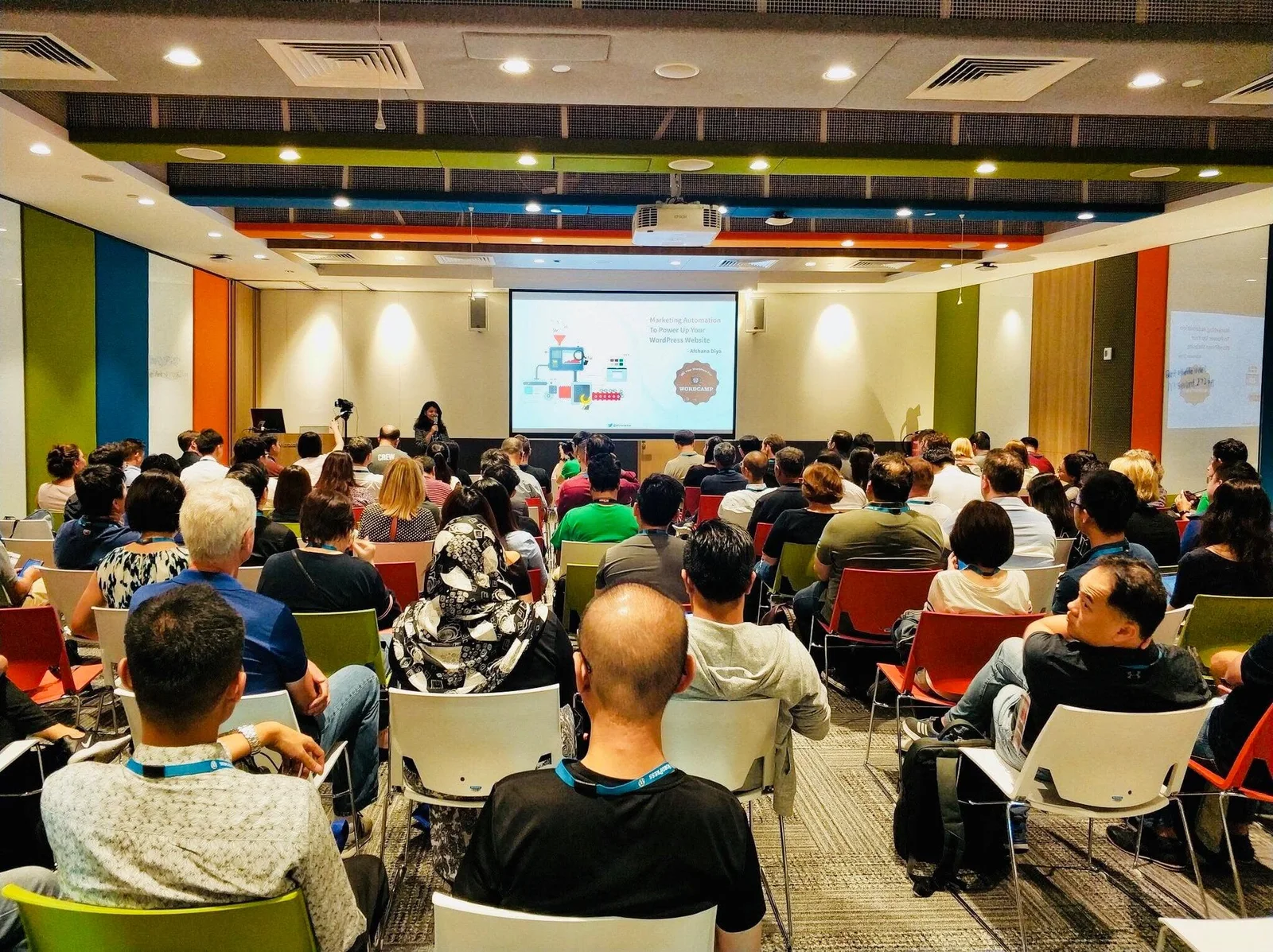
A week later, I gave my next talk at WordCamp Iloilo.
Co-founder of xCloud, CMO of Startise and Local President of JCI Dhaka Founders. 55 countries with a Bangladeshi passport.


