Marketing Your WordPress Product for Users, Not Fellow Developers
My WordCamp Iloilo 2019 talk, written up: how to market WordPress products to the people who use them, not to fellow developers.
 Afshana Diya·
· 3 min read
Afshana Diya·
· 3 min read

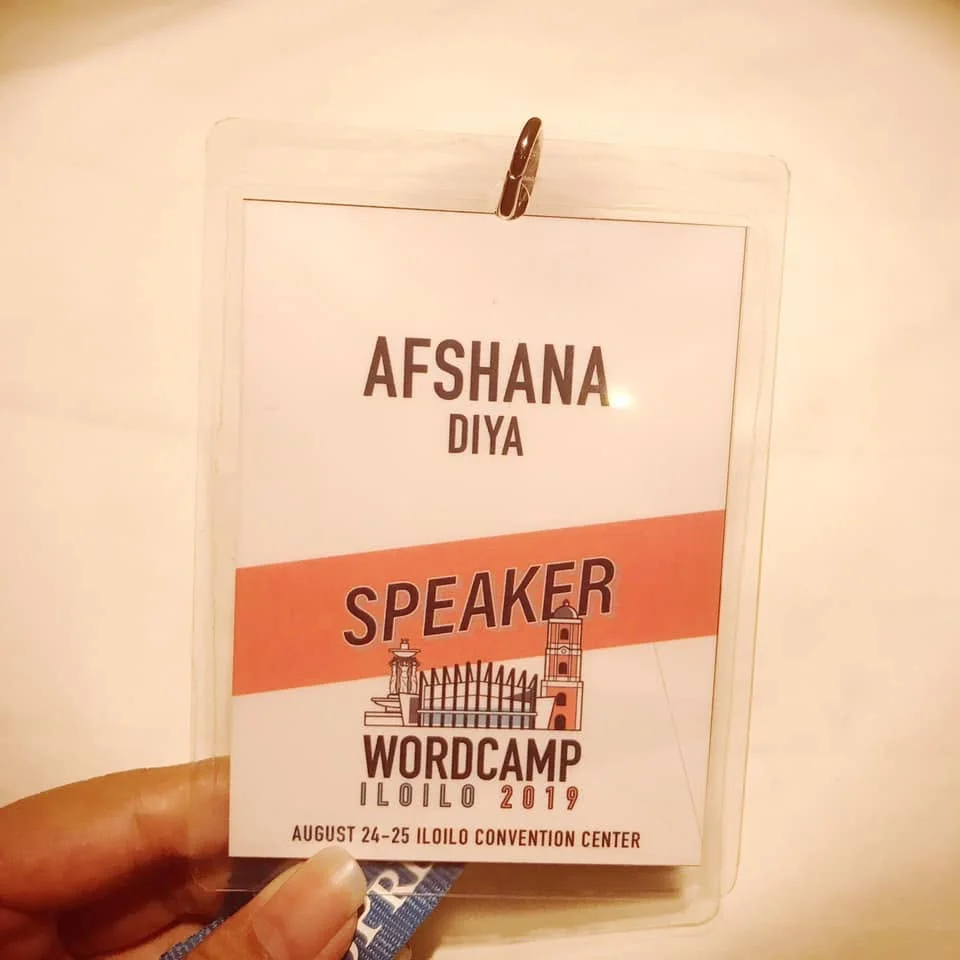
My first trip to the Philippines started with a few quiet days of island hopping around Palawan, on my own. Then I flew to Iloilo for WordCamp Iloilo 2019, held on August 24 and 25 at the Iloilo Convention Center. Just a week earlier, I had given my first international talk at WordCamp Singapore.
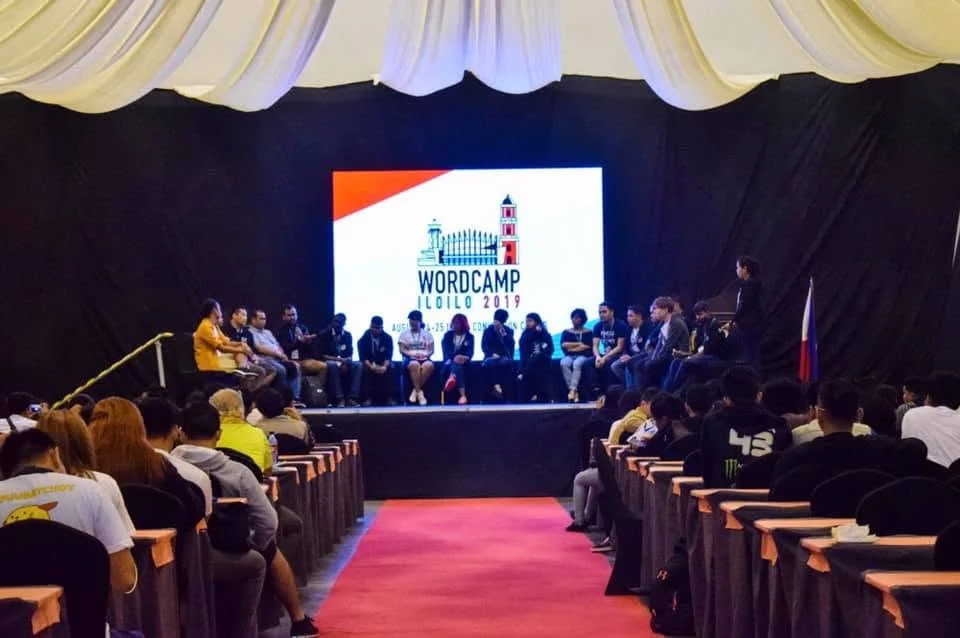
I opened my talk with “Magandang umaga,” good morning. The room smiled right back. It was an amazing crowd: curious, warm and full of builders. This is the talk I gave that day, written up so it lives somewhere other than a slide deck.
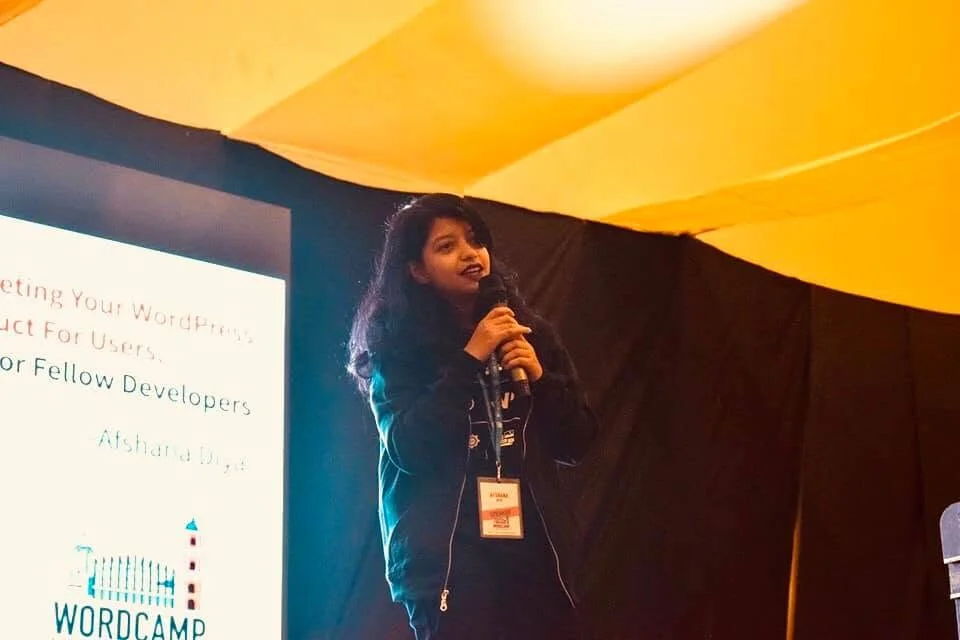
The Problem
At the time, WordPress was running more than 75 million websites. WordPress.org listed over 55,000 free plugins and more than 1,100 free themes. Another 10,000+ paid themes and plugins were sold by marketplaces and independent companies.
That’s a crowded shelf. Yet most WordPress products are marketed the way developers talk to each other. The people who actually buy and use them are bloggers, shop owners, agencies and small businesses. They aren’t buying hooks and filters. They’re buying a working website, more sales or a few hours back in their week.
So the first question is simple: what are they buying and what are you selling?
Start With the Basics (Even If You Think You’re Already There)
- Define your core audience. Who uses your product every day? Not “WordPress users” but a real person with a real job.
- Understand their pain points. What is slowing them down, costing them money or keeping them up at night?
- Analyze your competitors and how they serve those users. Look at their marketing, their onboarding, their email campaigns, their offers and how they talk to people in forums.
- Connect with potential users before you launch. Join Facebook groups, Reddit threads and communities where your users already gather. That means their communities, not only the WordPress community.
Strategies to Market to End Users
Make onboarding emails count. The first email shapes the first impression. Personalize it, write a clear subject line and say thank you. Point people to your guide, docs or video, then give one clear next step. Add a link to support and invite them to follow you on social media.
Stop using WordPress jargon. Period. Hooks, child theme, pingback, slug, shortcode, SVN, taxonomy, Codex, a11y. Your users don’t speak this language and they shouldn’t have to.
Use analytics before taking any step. Let data tell you where people drop off before you decide what to fix.
Offer dedicated support and a smooth experience. For most users, support is the product.
Ask for feedback with surveys. Short, regular surveys tell you what your dashboard can’t.
Keep content, docs and resources easy to find. If people can’t find the answer, they’ll find another plugin.
Retarget to convert. Many people visit, leave and need a reminder. Retargeting campaigns bring them back when they’re ready.
Use social proof and FOMO. Reviews, user counts and real-time activity show new visitors that others already trust you.
What I Took Home
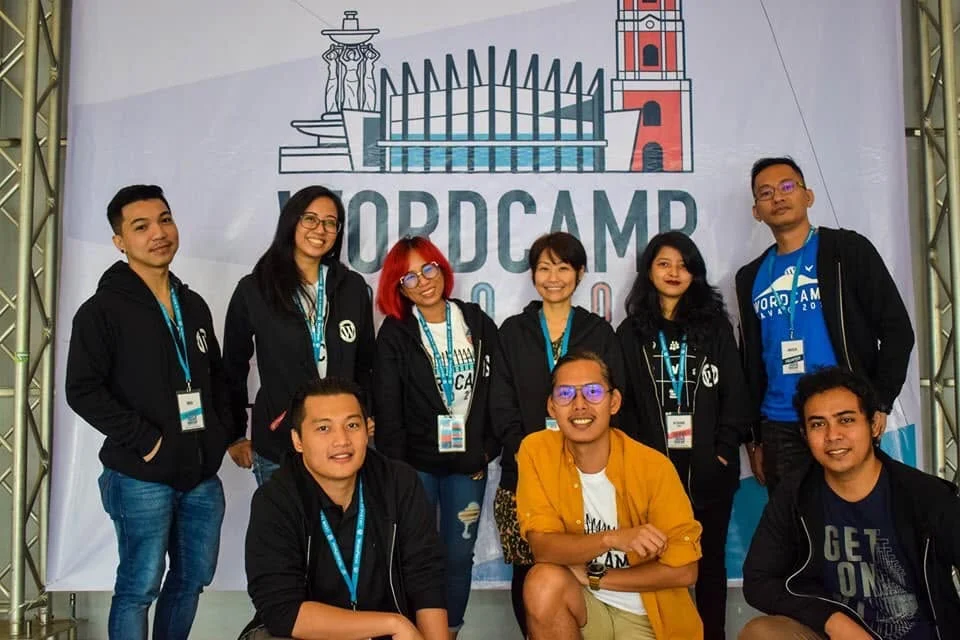
Knowing how to code is not enough. If you want people to use what you build, you have to learn to speak their language too. Iloilo reminded me how many brilliant builders are ready to do exactly that. It also showed me that a solo trip can turn into one of your favorite memories.
Salamat, Iloilo.
Co-founder of xCloud, CMO of Startise and Local President of JCI Dhaka Founders. 55 countries with a Bangladeshi passport.


